
The African Conviviality Center:
Fostering Deeper Engagement with Africa

Kiyoshi Umeya
The Graduate School of International Cultural Studies at Kobe University has established the African Conviviality Center to foster a more profound and conscious exchange with African researchers and students.
While Kobe University has steadily increased its international cooperation across various fields, these partial exchanges are no longer sufficient for engaging with Africa, a burgeoning global frontier.
Our Graduate School, which delves into international research through the humanities, social sciences, and ICTs, has recognised the growing importance of Africa’s indigenous and endogenous knowledges and philosophies. This understanding has fuelled a strong desire to deepen our engagement. Since 2015, we’ve collaborated on joint research with Francis B. Nyamnjoh, who serves as an advisor to the Center. However, there’s a clear and increasing need to actively learn from exceptional African scholars like him and to cultivate more vibrant exchanges between our students and theirs. The new Center provides the dedicated framework to facilitate these crucial activities.
The Center’s name, “Conviviality,” draws inspiration from one of Nyamnjoh’s core ideals: the journey of becoming human. Conviviality embodies the concept of acknowledging differences, even when they clash, while still sharing mutual benefits. This ideal perfectly encapsulates the Center’s vision.
Established in April 2025, the African Conviviality Center will focus on the following key activities:
- Promoting research projects specifically targeting Africa.
- Supporting research projects led by African researchers and students.
- Organising seminars and events to disseminate the findings from these research initiatives.
- Facilitating liaison with relevant domestic and international organisations and institutions.
- Undertaking other essential tasks related to African researchers and students.
While the Center will continue to provide administrative support in English for daily life and research, and guidance for learning Japanese – services also offered to other international researchers – we acknowledge the current limited presence of African residents in Japan. We recognise the limitations of an essentialist categorisation, but we believe there’s a strategic rationale in temporarily grouping initiatives under “Africa” to effectively promote these vital exchanges.
Ultimately, the goal is for the Center to become redundant. Our vision is a future where African researchers and students naturally integrate into the graduate school as colleagues and fellow students. With this in mind, the African Conviviality Center proudly begins its important work.
Kiyoshi Umeya,
Dean of the Graduate School of International Cultural Studies
The African Conviviality Center:
Fostering Deeper Engagement with Africa
―Message of endorsement from Francis B. Nyamnjoh―

(Photo by Todd Gray)
Dear Colleagues, Friends, and Future Collaborators,
It is with immense pleasure and a profound sense of shared purpose that I endorse the establishment of The African Conviviality Center at Kobe University’s Graduate School of International Cultural Studies, set to launch in April 2025.
Since the 1990s, my work has explored the intricate dance of incompleteness and the vital imperative of conviviality. The core idea is that we’re all inherently works in progress, and our greatest potential emerges not from a quest for isolated perfection, but from the dynamic, often challenging, yet ultimately enriching interactions we have with others. It is deeply gratifying to see these concepts, which champion the acceptance of difference and the pursuit of mutual benefit, not only embraced but made the very cornerstone of this new initiative.
The Center’s vision aligns perfectly with my own aspirations for a more equitable and understanding global academic landscape, which I’ve articulated as “Convivial Scholarship.” Its aim to foster deeper engagement with African researchers and students, genuinely valuing the continent’s rich indigenous and endogenous knowledge, and facilitating meaningful collaboration isn’t just about “catching up” or “transferring knowledge.” Instead, it’s about genuine exchange, recognising our shared humanity, and embarking on a collective journey of learning from our diverse perspectives.
I am particularly excited about the Center’s commitment to creating a space where the “negotiation and navigation of differences” can be explored as opportunities, where our interconnectedness is celebrated, and where the rich tapestry of African thought can contribute to global scholarly discourse.
My hope is that The African Conviviality Center will become a beacon of inclusive scholarship, a place where, over time, the very need for its distinct identity might gracefully recede as African scholars and students naturally integrate into the vibrant fabric of Kobe University as colleagues, peers, and friends.
This is a significant step forward, and I look forward to witnessing the profound impact this Center will undoubtedly have.
With warmest regards and great anticipation,
Francis B. Nyamnjoh
アフリカン・コンヴィヴィアリティ・センターの発展を願って
亀田和明顧問からのメッセージ
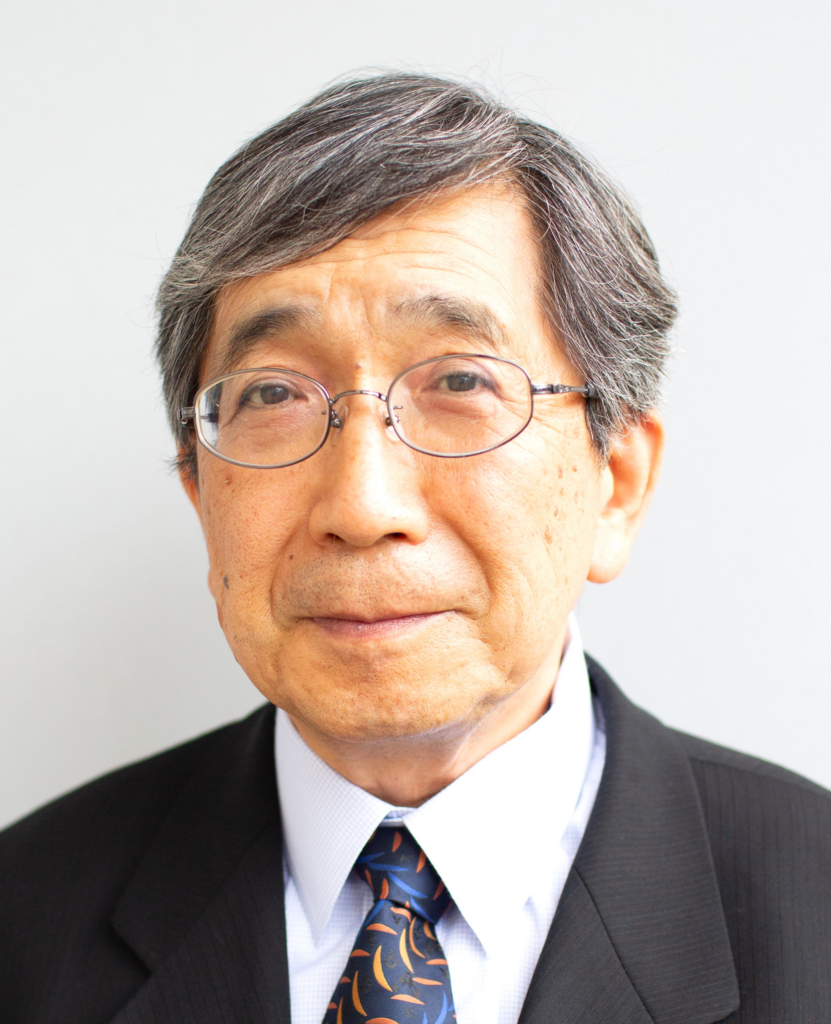
昨年度、神戸大学大学院国際文化学研究科にアフリカン・コンヴィヴィアリティ・センターが設立されたことは画期的なこととお喜び申し上げます。
私は外務省をはじめとする今日までのキャリアの中で築いて来たアフリカに関する経験と知識、そして人的ネットワークがお役に立てる場ではないかと思い、本センターの顧問となることをお引き受け致しました。
私のアフリカとの巡り合いは、外務省入省後28年目の2006年1月にアフリカ東部の内陸国であるウガンダの土を踏んだことに遡ります。当時のウガンダは、道路は穴だらけ、停電と断水は日常茶飯事と、アフリカの開発途上国にやってきたことを実感する毎日でした。一方で、赤道直下にありながら標高が高いので気候が温和で住みやすく、そのせいか、人々も温和でユーモアのセンスがあり話やすく、ウィットに富んだ人が多い印象を持ちました。すぐにたくさんの友達に恵まれました。そんな時代から10年ほど経った2016年、2度目のウガンダ赴任、しかも今回は大使としての在勤となりました。10年間で道路や電力を含むインフラ整備は大きく進んでいました。これには日本のODA事業も大きく貢献していました。国内の治安も大きく改善されていました。隣国との関係では、南スーダンやコンゴ民主共和国の政治的混乱により大量に発生した難民をウガンダは積極的に受け入れておりました。日本はこれら難民のみならず彼らを受け入れるホストコミュニティを共に支援する方針を打ち出し、欧米ドナーよりもいち早く具体的な支援活動を展開しました。さまざまな日本の支援がウガンダ国内で評判を呼び、期待がますます高まっていたことを肌で感じながら勤務できたことを幸せに感じております。
アフリカは、若い大陸で、高い経済成長が期待されています。アフリカの人口が2025年の約15億人から2050年には25億人と急速に増加し、世界の約4人に一人がアフリカ人となると見込まれています。今も年齢の中央値が18歳と非常に若く、人口の約41%が15歳未満となっています。東アジアは当然のこと、東南アジアなどの高齢化とともにアジアでは経済成長の鈍化とマーケットの縮小が予想されています。そうなると、アフリカ諸国が市場開拓先としても人材の送り出し地域としても重視されることでしょう。日本としてもアフリカの活力を取り込むためにアフリカ諸国とこれまで以上に密接な関係を発展させていく必要性が高まるでしょう。そのためアフリカについてもっと学び研究することが不可欠であると痛感されます。この文脈においてアフリカン・コンヴィヴィアリティ・センターの果たす役割が非常に大きいことは言うまでもありません。
私は顧問として、本センターの目的達成に向けて少しでも貢献できるよう尽力する所存です。皆様方には是非本センターの趣旨にご理解をいただき、ご協力を切にお願いするものであります。
元駐ウガンダ共和国日本大使 亀田和明